Introduction
A floor scrubber is an essential cleaning machine designed to efficiently wash, scrub, and dry flooring surfaces in a single pass. Unlike traditional mops or manual cleaning methods, floor scrubbers provide consistent results, save time, and reduce physical strain on cleaning staff. These machines are commonly used in warehouses, offices, schools, hospitals, and retail spaces where hygiene and cleanliness are top priorities. However, a question often arises for buyers and facility managers: Can floor scrubbers be used on all surfaces? The answer is nuanced. While floor scrubbers are versatile and powerful, their suitability depends largely on the type of flooring, the construction of the scrubber, and the correct use of cleaning solutions. Misapplication could lead to surface damage, wasted resources, or reduced machine performance. In this article, we will explore the compatibility of floor scrubbers with various flooring types, outline the advantages and limitations, and provide practical insights for safe and effective use.
How Floor Scrubbers Work
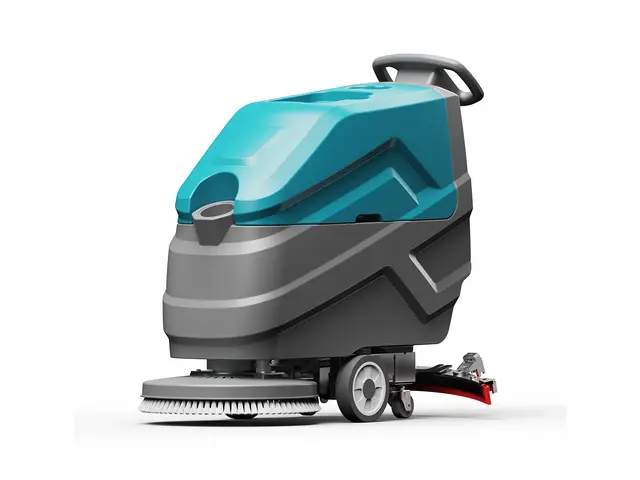
To understand where floor scrubbers can or cannot be used, it is first important to grasp how they operate. A floor scrubber typically combines several components: a water tank, detergent distribution system, rotating or cylindrical brushes, squeegees, and a suction system. When in operation, the machine dispenses a measured amount of cleaning solution, agitates the dirt with its brushes, and then collects the dirty water through suction, leaving the surface dry. This efficient cycle not only cleans but also reduces the risk of slipping, a common problem after mopping. The intensity of brush pressure, the type of pads, and the strength of suction can be adjusted depending on the machine model. Because of this adaptability, floor scrubbers can clean many surfaces effectively. However, flooring materials differ in hardness, porosity, and sensitivity, meaning not every surface is equally suitable for scrubbing. Using a floor scrubber incorrectly can lead to scratching delicate materials, water absorption in porous floors, or even permanent surface damage. Therefore, a thorough understanding of surface compatibility is essential.
Suitable Surfaces for Floor Scrubbers
When used properly, floor scrubbers are highly effective on various types of flooring. Below is a breakdown of surfaces where floor scrubbers can be used with great results:
Ceramic Tile Floor
Ceramic tiles are an excellent surface for floor scrubbers. The rotating brushes can clean dirt from the tile surface and grout lines, which are often hard to maintain with regular mopping. It's essential to ensure the tiles are properly sealed to prevent water from seeping into the grout.
Epoxy Floor
Epoxy-coated floors are designed to resist wear and stains, making them an ideal surface for floor scrubbers. The tough coating allows for easy cleaning without damage, and regular scrubbing can help maintain their glossy finish.
Terrazzo Ground
Terrazzo floors, with their smooth and durable surface, are well-suited for floor scrubbers. Scrubbing removes dirt from the surface and keeps the terrazzo looking polished. Regular maintenance ensures its longevity and vibrant appearance.
Marble Floor
Marble floors, known for their elegance and smooth surface, are compatible with floor scrubbers when cleaned with the right settings. The scrubbers effectively remove dirt and stains from the surface, but operators should use gentle pads and avoid harsh chemicals to preserve the marble’s shine and prevent scratching. Regular maintenance helps to keep the marble looking polished and beautiful.
Surfaces Not Recommended for Floor Scrubbers
Not all surfaces are safe for floor scrubbers. Understanding these limitations is critical to prevent costly mistakes.
Carpeted Floors
Carpets are not suitable for floor scrubbers, as the rotating brushes and water system are designed for hard surfaces. Carpet fibers can become saturated with water, leading to mold, odor, and irreversible damage. For carpets, specialized extractors or vacuum systems should be used instead.
Unsealed Hardwood
Unlike sealed hardwood, unsealed or poorly finished wood absorbs water easily. Using a floor scrubber on such surfaces can cause swelling, warping, or permanent staining. Dry cleaning methods are recommended for these types of floors.
Natural Stone Surfaces
Surfaces such as marble, limestone, or travertine can be sensitive to harsh cleaning chemicals and abrasive pads. Without proper sealing and careful adjustment, scrubbers can leave scratches or dull the finish. For these surfaces, manual cleaning or specialized equipment is preferable.
Specialty Flooring
Certain decorative or cushioned flooring materials, like cork or rubber, require unique cleaning approaches. Depending on the manufacturer’s recommendations, they may not tolerate floor scrubber use due to their softness or porosity.
Best Practices for Using Floor Scrubbers Safely
Even on suitable surfaces, proper operation of floor scrubbers is vital to prevent accidental damage. Here are some best practices:
Match Pads and Brushes to the Floor Type: Soft pads for delicate surfaces, stiffer brushes for durable floors.
Use Appropriate Cleaning Solutions: Harsh chemicals can etch or discolor sensitive materials. Always verify compatibility.
Adjust Water Levels: Excessive water on absorbent surfaces like sealed hardwood can cause issues.
Test Before Full Use: Always test the machine in a small, inconspicuous area before large-scale cleaning.
Routine Maintenance of the Scrubber: Regularly clean tanks, check brushes, and replace worn parts to ensure efficient performance.
By following these steps, users can extend both the life of their floors and the machine itself.
Frequently Asked Questions (FAQ)
Can I use a floor scrubber on laminate flooring?
Laminate flooring is generally not recommended for use with floor scrubbers. Excess water and brush action can compromise the protective layer and lead to swelling.
How often should I use a floor scrubber?
For commercial spaces with high traffic, daily or weekly scrubbing may be appropriate. In residential or low-traffic areas, monthly use may suffice.
Are floor scrubbers safe in hospitals or schools?
Yes, floor scrubbers are widely used in hospitals and schools because they provide thorough cleaning and fast-drying results, reducing slip hazards and maintaining hygiene.
Do floor scrubbers replace mopping entirely?
In large areas, scrubbers can replace mopping. However, mopping may still be useful for quick spot cleaning or in spaces too small for machine access.
Conclusion
Floor scrubbers are invaluable tools in maintaining cleanliness and hygiene across a wide range of environments. While they are highly effective on durable and sealed surfaces such as concrete, tile, and vinyl, they should not be used on sensitive materials like unsealed wood, carpets, or certain natural stones. By understanding surface compatibility, following best practices, and consulting manufacturer guidelines, facility managers and homeowners can maximize the benefits of floor scrubbers while avoiding costly mistakes. With the right knowledge and precautions, they can be used on most practical flooring types to deliver safe, efficient, and consistent cleaning results.

 English
 العربية
 Français
 Русский
 Español
 Português
 Deutsch
 italiano
 日本語
日本語 한국어
한국어 Nederlands
 Tiếng Việt
 ไทย
ไทย Polski
 Türkçe
 ភាសាខ្មែរ
 Bahasa Melayu
 Filipino
 Bahasa Indonesia
 magyar
 Română
 Čeština
 Монгол
 Српски
 हिन्दी
 Slovenčina
 Slovenščina
 Norsk
Norsk Svenska
 українська
 Suomi
Suomi Հայերեն
 Dansk
Dansk اردو
اردو Shqip
Shqip বাংলা
বাংলা Afrikaans
 Oʻzbekcha
 latviešu
 Azərbaycan dili
 Беларуская мова
 Български
 ქართული
 Kinyarwanda
 Кыргызча
 Oluganda
 Македонски
 Malti
Malti Türkmençe
 ئۇيغۇرچە
 Cymraeg


