


Views: 0 Author: Site Editor Publish Time: 2025-10-30 Origin: Site


Ever wondered how high pressure washers can transform grimy surfaces in minutes? These powerful machines use intense water jets to clean efficiently. In this article, we'll explore how they work, their components, and their applications. You'll learn why they're more effective than traditional cleaning methods and how to choose the right one for your needs.
High pressure washers clean by blasting water at very high speeds and pressures, often between 1,500 and 3,000 psi. This forceful water jet hits surfaces like thousands of tiny hammers, knocking dirt, dust, and grime loose. Water molecules themselves have a slight electrical polarity, meaning they naturally cling to dirt and help lift it away. When combined with detergents, which break down grease and stubborn stains, the cleaning power multiplies. Detergents reduce water's surface tension, helping it penetrate and flush away grime more effectively.
The kinetic energy of the high-speed water jet is key. Since the water moves so fast, it transfers a lot of energy on impact, loosening particles that scrubbing or normal water pressure can't shift. Hot water variants enhance cleaning by softening grease and oils, making them easier to remove.
Traditional cleaning methods rely on scrubbing, soaking, or chemical cleaners. These often take more time and effort to remove dirt, especially on rough or uneven surfaces. Scrubbing can be labor-intensive and may not reach deep crevices. Chemicals may damage surfaces or the environment and often require rinsing.
High pressure washers work faster and more efficiently. They use less water overall because the pressurized jet cleans quickly, reducing rinse times. Unlike scrubbing, they reach cracks and grooves easily. Compared to chemicals, pressure washers mainly use water, making them more eco-friendly and safer for most surfaces.
For example, cleaning a patio with a brush and hose might take 30 minutes and lots of elbow grease. A pressure washer can do the same job in 5 to 10 minutes, using less water and no harsh chemicals. However, care is needed on delicate surfaces to avoid damage from the strong water jet.
Tip: When choosing a pressure washer, consider the surface type and dirt level to select the right pressure and detergent combination for effective, safe cleaning.
High pressure washers might seem complex, but they are made up of a few key parts working together to blast away dirt efficiently. Understanding these components helps you choose the right washer and use it safely.
The water inlet is where the washer connects to your water supply, usually a garden hose. It’s important because it feeds water into the machine. Most washers include a filter here to catch dirt or debris from your water source. This filter protects the internal parts from damage and keeps the water jet clean and consistent. Without filtration, grit could clog the pump or scratch surfaces during cleaning.
This is the power source. Smaller washers often use an electric motor, which plugs into a standard outlet. Electric motors are quieter, lighter, and easier to maintain. Larger or commercial models might use a gas engine, similar to those in lawnmowers. Gas engines provide more power and mobility, ideal for places without electricity or heavy-duty jobs. The motor or engine drives the water pump, so its strength directly affects cleaning power.
The pump is the heart of the pressure washer. It takes in water at normal pressure and pushes it out at very high pressure. Pumps usually use pistons moved by the motor’s rotation. Water is sucked in through a valve, compressed in a cylinder, then forced out another valve into the high-pressure hose. Some washers have multiple pistons to create a steady, powerful flow. The pump’s design determines how much water flows and how high the pressure can get.
The high-pressure hose carries water from the pump to the spray gun. It’s made from strong, reinforced materials like wire mesh and thick plastic layers to handle extreme pressure safely. Using a hose rated for higher pressure than your washer’s output is essential to avoid bursts or leaks.
At the hose’s end, you attach a spray gun or other cleaning tools. The basic spray gun has a trigger to control water flow. You can swap attachments like rotating brushes, nozzles with different spray angles, or foam sprayers. These help clean various surfaces effectively without damaging them.
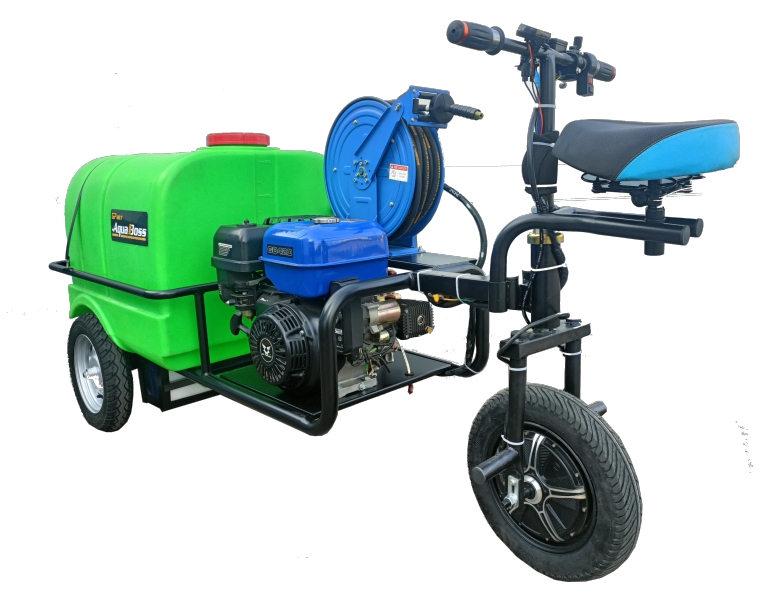
High pressure washers operate by taking in water at normal pressure and then forcing it out at much higher pressure through a narrow nozzle. Inside, an electric motor or gas engine powers a pump. This pump rapidly moves pistons back and forth, pulling water in through a valve and pushing it out at high speed. The water shoots out as a strong jet, hitting surfaces and blasting away dirt.
The nozzle at the end of the hose narrows the water flow, increasing pressure and speed. Think of it like putting your thumb over a garden hose: the water sprays harder and farther. This high-speed jet transfers kinetic energy to dirt, breaking it loose without much scrubbing.
Detergents help break down grease and stubborn stains, making it easier for water to wash them away. Many pressure washers have a detergent tank or connection point. The detergent mixes with water just before it leaves the nozzle, ensuring it reaches the surface effectively.
Water temperature also matters. Hot water pressure washers heat the water before it reaches the pump, usually between 50–70°C (125–155°F). Hot water softens grease and oils, improving cleaning power on greasy surfaces like grills or machinery. Cold water washers work well for general dirt and dust but may struggle with oily grime.
Pressure is generated by the pump, which compresses water inside small cylinders using pistons. The number of pistons can vary—more pistons usually mean smoother, more powerful flow.
Pressure control happens through adjustable nozzles or built-in regulators. Users can select different spray patterns, from a wide fan for gentle cleaning to a narrow jet for tough stains. Some models have digital controls or pressure gauges, allowing precise adjustment.
Pressure washers also have safety features to avoid damage or injury. For example, a trigger on the spray gun controls water flow. When released, water stops immediately. Some washers include automatic shut-off systems that stop the motor when the trigger is off, saving energy and reducing wear.
High pressure washers come in different types, each suited for specific needs and environments. Choosing the right type helps you get the best cleaning results efficiently and safely.
Electric pressure washers are popular for home use. They plug into a standard electrical outlet and are quieter, lighter, and easier to maintain. They usually produce pressures from 1,300 to 2,000 psi, enough for most household cleaning tasks like washing cars, patios, or garden furniture. Electric models are limited by cord length and power supply but are very user-friendly.
Gas-powered pressure washers use small gasoline engines similar to lawnmower motors. They are much more powerful, often exceeding 3,000 psi, making them ideal for heavy-duty or commercial jobs. Gas models offer greater mobility since they don’t need an electrical outlet. However, they are noisier, heavier, and require more maintenance, such as fuel and oil changes.
Domestic pressure washers are designed for occasional light-to-medium cleaning. They focus on ease of use, safety features, and moderate pressure levels to avoid damaging delicate surfaces. These models often include detergent tanks and adjustable nozzles for versatile cleaning around the home.
Commercial pressure washers are built for frequent, intensive use. They feature robust pumps, higher pressure ratings, and larger water flow rates. These washers handle tough grime on construction equipment, vehicles, or industrial floors. Commercial units often incorporate hot water options and heavy-duty attachments for specialized cleaning.
Cold water pressure washers use unheated water, which works well for removing dirt, mud, and dust. They are generally cheaper and simpler, suitable for most household and light commercial tasks.
Hot water pressure washers heat the water before pressurizing it. Hot water softens grease, oils, and stubborn stains, making cleaning more effective. These washers excel in industrial settings, kitchens, or automotive shops where oily residues are common. Hot water models tend to be more expensive and heavier due to the heating element.
High pressure washers clean surfaces much faster than traditional methods. Their powerful water jets break down dirt, grime, and stains in seconds, reducing manual scrubbing time significantly. For example, washing a car or cleaning a patio that might take an hour by hand can be done in 10 to 15 minutes. The high-speed water removes stubborn dirt from cracks and crevices, reaching places brushes can't. This efficiency saves labor and increases productivity, especially important for commercial users.
Despite their power, pressure washers use less water than conventional hoses. A typical garden hose flows about 10 to 15 liters per minute, while pressure washers use around 4 to 8 liters per minute. The high pressure means less water is needed to achieve the same or better cleaning results. This makes pressure washers an eco-friendly choice by conserving water and reducing runoff. Businesses can lower water bills and meet environmental regulations by switching to pressure washers.
Pressure washers work on many surfaces and materials, making them highly versatile. They clean patios, driveways, decks, vehicles, machinery, outdoor furniture, and even building exteriors. Different nozzles and attachments allow users to adjust spray patterns and pressure for delicate or tough surfaces. Some models handle detergents or foam for extra cleaning power. Hot water washers tackle grease and oil, perfect for automotive or kitchen cleaning. This adaptability suits both domestic and commercial needs.
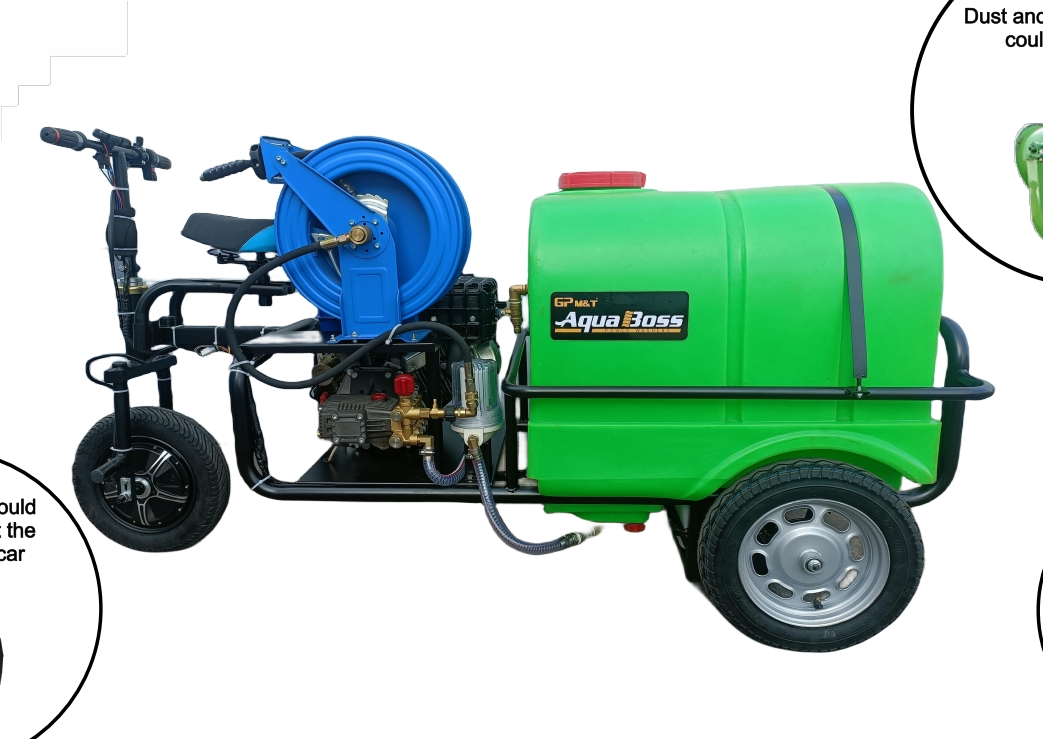
High pressure washers use between 4 to 8 liters of water per minute. While this is less than a typical garden hose, it still adds up quickly during extended cleaning sessions. You’ll need proper drainage where you work to avoid puddles or flooding. Poor drainage can cause water to pool, potentially damaging surfaces or creating slip hazards. Plan your cleaning area carefully to direct water flow away from sensitive zones like electrical outlets or delicate landscaping.
Pressure washers generate noise levels typically between 75 and 90 decibels. This can be loud enough to disturb neighbors or cause discomfort during prolonged use. Gas-powered models tend to be louder than electric ones. If noise is a concern, look for washers labeled “quiet” or “silent,” but remember these still produce significant sound. Using hearing protection is a smart safety step, especially for commercial or frequent use.
Electric pressure washers mix water and electricity, a combination that requires caution. Most models include built-in ground-fault circuit interrupters (GFCI) or residual current devices (RCD) to cut power instantly if a fault occurs. Always use these safety features and plug the washer into a properly grounded outlet. Avoid using electric washers in standing water or during wet weather. For outdoor jobs without safe power access, a gas-powered washer might be safer.
The powerful water jet can damage sensitive materials. Wood decking, old paint, window seals, or fragile stonework may suffer from chipping, splintering, or water ingress if the pressure is too high. Always test on a small, hidden area first. Start with a wide spray nozzle and low pressure, then increase gradually only if the surface tolerates it. Use specialized attachments like rotating brushes or foam sprayers to clean gently. Avoid holding the spray too close or in one spot for long.
Selecting a high pressure washer can feel overwhelming. Many models, features, and brands exist. Knowing what matters most helps you pick a machine that fits your cleaning needs, budget, and safety requirements.
Pressure Rating (PSI): Pressure is measured in pounds per square inch (psi). For light home use, 1,300 to 2,000 psi is enough. Tougher jobs like cleaning driveways or heavy machinery may need 3,000 psi or more. Avoid too much pressure for delicate surfaces to prevent damage.
Water Flow Rate (GPM): Gallons per minute (GPM) indicates how much water the washer uses. Higher GPM means faster rinsing. Typical washers range from 1.2 to 4 GPM. For bigger jobs, higher flow rates save time.
Power Source: Electric washers suit indoor or small outdoor tasks. They’re quieter, lighter, and need less maintenance. Gas-powered washers offer more power and mobility, great for large or remote areas without electricity.
Portability: Consider weight, wheels, and handle design. If you’ll move your washer often, lightweight models with sturdy wheels make the job easier.
Nozzle and Attachment Options: Different nozzles control spray angle and pressure. Wide nozzles cover large areas gently; narrow nozzles deliver a focused, powerful jet. Attachments like rotating brushes or foam sprayers add versatility.
Detergent Tank: Some washers have built-in detergent tanks or siphon tubes. This feature helps apply soap or cleaning solutions efficiently.
Safety Features: Look for automatic shut-off, trigger locks, and Ground Fault Circuit Interrupters (GFCI) on electric models to reduce risk of injury or damage.
Several brands stand out for quality and reliability:
| Kärcher | Known for durable electric and gas models, user-friendly controls, and wide accessory range. |
| Sun Joe | Popular for affordable electric washers with good features for home use. |
| Simpson | Offers powerful gas models favored by professionals. |
| Ryobi | Provides versatile electric washers with good pressure and flow rates. |
| Generac | Known for robust gas-powered washers suited for heavy-duty jobs. |
Each brand offers models in various pressure and flow ranges. Reading user reviews and expert tests helps find the best fit.
Proper care extends washer life and keeps performance high:
Check and Clean Filters: Regularly inspect water inlet filters to avoid clogs.
Use Correct Detergents: Only use detergents designed for pressure washers to prevent damage.
Drain Water After Use: Prevent freezing or corrosion by emptying water from the pump and hoses.
Inspect Hoses and Nozzles: Look for cracks or blockages and replace parts as needed.
Store Properly: Keep your washer in a dry, protected area away from extreme temperatures.
Follow Manufacturer Instructions: Adhere to recommended maintenance schedules and safety guidelines.
High pressure washers effectively clean surfaces by using high-speed water jets to remove dirt and grime quickly. They are more efficient and eco-friendly than traditional methods, conserving water while offering versatility across various applications. When choosing a washer, consider pressure, flow rate, and power source. Brands like Shengliclean offer reliable models with advanced features, ensuring optimal performance and value for users. These washers enhance cleaning efficiency and safety, making them a smart investment for both domestic and commercial needs.
A: A High Pressure Washer is a cleaning device that uses a powerful jet of water to remove dirt, grime, and stains from surfaces efficiently.
A: A High Pressure Washer works by using a motor or engine to power a pump, which pressurizes water and forces it through a narrow nozzle to create a high-speed jet.
A: High Pressure Washers are more effective because they use high-speed water jets to break down dirt quickly, reaching areas that scrubbing cannot, and use less water overall.
A: Benefits include efficient cleaning, water conservation, and versatility across various surfaces and materials.
A: Troubleshoot by checking for clogs, ensuring proper water supply, inspecting hoses and nozzles, and following maintenance guidelines.


