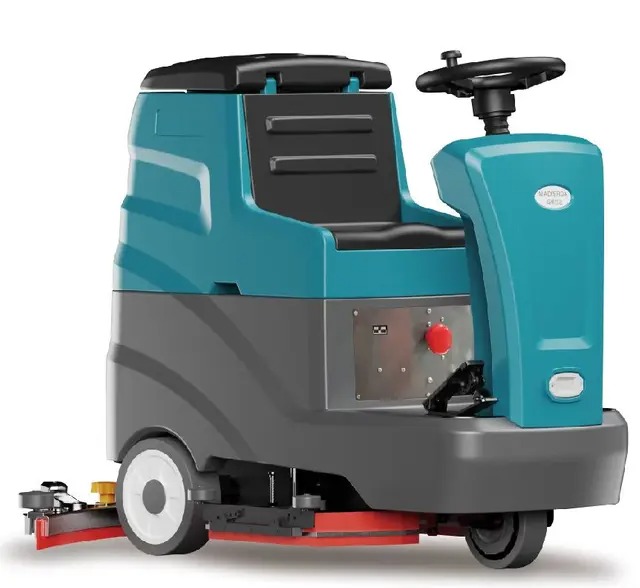
Maintaining cleanliness in large commercial spaces is essential not only for creating a welcoming environment but also for ensuring the safety and health of employees and customers. Industrial floor scrubbers play a crucial role in these environments by providing efficient and effective cleaning. These powerful machines are designed to handle large areas quickly, removing dirt, grime, and stains that regular cleaning methods can’t manage. However, understanding how often to use an industrial floor scrubber is key to maximizing its performance and maintaining floor integrity. The frequency of use will depend on several factors, such as the amount of foot traffic, the type of business, and the condition of the floors. In this article, we’ll explore how often industrial floor scrubbers should be used in large commercial spaces to keep them in optimal condition while ensuring that your cleaning routine is both effective and efficient.
Factors That Determine Frequency of Use
1. Traffic Volume: High Foot Traffic Areas Require More Frequent Cleaning
In high-traffic areas like malls, airports, and office buildings, floors accumulate dirt and stains quickly. These spaces typically require daily or multiple cleanings per week to maintain cleanliness and prevent slips or stains, especially in high-use areas like entrances and walkways.
2. Type of Business: Cleaning Needs for Warehouses, Offices, or Restaurants
Different industries have varied cleaning needs:
Warehouses/Factories: Due to dirt, oil, and debris, these spaces need daily cleaning.
Offices: With lighter foot traffic, offices typically require cleaning 2-3 times a week.
Restaurants: Given spills and grease, daily cleaning is necessary to meet hygiene standards.
3. Floor Type: Impact of Floor Material on Scrubber Use
The type of flooring affects cleaning frequency:
Concrete: Requires more frequent cleaning due to dirt and oil build-up.
Tile: Needs scrubbing 2-3 times a week, especially for grout lines.
Vinyl/Linoleum: Easier to maintain, requiring scrubbing once or twice a week.
4. Cleaning Schedule: Regular vs. Periodic Deep Cleaning
Regular scrubbing maintains daily cleanliness, while periodic deep cleaning is needed for tougher stains and build-up. Deep cleaning, done monthly or quarterly, ensures floors stay in good condition and extends their lifespan.
Recommended Frequency of Use for Different Spaces
1. High-Traffic Areas: Daily or Multiple Times a Week (e.g., Malls, Airports)
In high-traffic commercial spaces, such as malls, airports, shopping centers, and train stations, the floors experience constant foot traffic, which leads to faster accumulation of dirt, debris, and stains. These areas are highly visible and need to maintain a clean, professional appearance at all times. To achieve this, daily cleaning is often necessary, especially in common areas like entrances, hallways, and food courts. In some cases, high-traffic zones may require multiple cleanings per day to prevent the build-up of dirt and maintain hygiene, particularly in places with heavy spill occurrences like food courts or bathrooms.
2. Low-Traffic Areas: Once or Twice a Week (e.g., Offices, Smaller Stores)
For low-traffic areas, such as offices, small retail stores, and other spaces that do not see as much foot traffic or heavy use, floor scrubbers can be used once or twice a week. These areas may not accumulate dirt and stains as quickly, so less frequent scrubbing is required. However, routine cleaning is still essential to ensure that dust, debris, and allergens do not build up. In office spaces, for example, scrubbing once a week is generally sufficient to maintain cleanliness and keep floors looking fresh. For smaller stores, scrubbing every few days may be needed during busy retail seasons.
3. Heavy-Duty Areas: Daily or As Needed (e.g., Factories, Warehouses)
Heavy-duty areas, such as factories, warehouses, and manufacturing floors, require daily cleaning or cleaning as needed based on the amount of dirt and debris generated. These environments often involve heavy machinery, oil, grease, and large amounts of dust or industrial waste, which quickly accumulate on the floor. Daily use of an industrial floor scrubber is critical to maintaining a safe and clean working environment. In particularly dirty sections of a warehouse or factory floor, more frequent cleaning may be required to prevent slip hazards and maintain proper hygiene standards. These areas may also benefit from deep cleaning on a periodic basis, such as once a month, to address hard-to-remove stains and grime.
Benefits of Regular Floor Scrubber Use
1. Consistent Cleanliness and Hygiene
Regular use of a floor scrubber ensures that floors remain consistently clean and hygienic. This is particularly important in commercial spaces where cleanliness directly impacts the health and safety of employees and customers. Frequent scrubbing removes dirt, dust, bacteria, and germs, maintaining a sanitary environment and reducing the spread of contaminants.
2. Prevention of Dirt Build-Up and Maintenance of Floor Integrity
Using a floor scrubber regularly prevents dirt and grime from accumulating, which can lead to permanent stains or surface damage. Over time, unaddressed dirt can cause wear and tear on flooring, particularly on delicate materials like tile and vinyl. Regular cleaning helps maintain the floor’s integrity, reducing the need for costly repairs or replacements and extending the floor's lifespan.
3. Enhanced Appearance and Customer Satisfaction
A clean, well-maintained floor greatly enhances the overall appearance of a commercial space, leaving a positive impression on customers, clients, and employees. Regular scrubbing ensures that floors remain spotless, improving the aesthetic appeal of the environment. This attention to cleanliness can increase customer satisfaction, boost brand perception, and contribute to a welcoming atmosphere that encourages repeat visits.
How to Determine the Right Schedule for Your Space
1. Tailoring the Cleaning Schedule Based on Foot Traffic, Usage, and Floor Type
The frequency of cleaning should be customized according to the specific characteristics of your space:
High Foot Traffic: Areas like malls, airports, and busy office buildings require daily or multiple cleanings per day to keep floors clean and safe.
Low Foot Traffic: In areas like offices or smaller stores, once or twice a week may be sufficient, depending on the space and use.
Floor Type: The material of the floor affects how often you need to scrub:
Concrete or industrial floors need more frequent cleaning due to higher dirt accumulation.
Tile floors may require scrubbing 2-3 times a week, especially to clean grout lines.
Vinyl or linoleum floors, typically found in healthcare or retail spaces, require weekly scrubbing.
2. Leveraging Scrubber Features Like Battery Life and Cleaning Modes for Efficiency
Maximize efficiency by using the features of your industrial floor scrubber:
Battery Life: For large spaces, look for models with longer battery life to avoid interruptions. If the scrubber has fast charging capabilities, you can optimize cleaning cycles for larger areas.
Cleaning Modes: Many scrubbers come with different cleaning settings. For routine maintenance, use light cleaning modes to save energy, while heavy-duty modes can be reserved for deep cleaning. This can help extend both the life of the scrubber and its battery.
Adjustable Settings: Depending on the floor type and dirt level, adjust the speed, water flow, or brush pressure to ensure an optimal cleaning schedule without wasting time or resources.
FAQ
1. Can an industrial floor scrubber be used on all types of flooring?
Most industrial scrubbers are versatile, but it’s essential to ensure the scrubber is compatible with your specific floor type. For example, some scrubbers may be designed for harder surfaces like concrete and tile, while others may have softer brushes suited for delicate floors such as wood or marble. Always check the manufacturer’s recommendations for your flooring material to avoid damage.
2. How long should each cleaning session with an industrial floor scrubber take?
The duration of a cleaning session depends on the size of the area and the level of dirt. A typical cleaning session can range from 30 minutes to 2 hours. For smaller spaces, such as offices, cleaning may be completed quickly, whereas larger commercial areas, like warehouses or malls, will take longer. Regular cleaning schedules help maintain the time efficiency of scrubbers.
3. Can using an industrial floor scrubber too often damage floors?
With proper maintenance and the correct scrubber settings, regular use will not damage floors. However, excessive pressure or friction on softer floors (like wood or vinyl) can cause surface wear or scratches. Always adjust the scrubber's settings according to the floor type, and ensure that the brush or pad is appropriate for the surface to prevent damage.
4. Do industrial floor scrubbers require special maintenance for frequent use?
Yes, frequent use requires more attention to maintenance. Regular maintenance is crucial for keeping scrubbers in top condition, including:
Cleaning brushes after every use to remove dirt and debris.
Checking battery health to ensure it holds a charge and operates efficiently.
Inspecting for wear on parts like brushes, pads, and seals, which can wear out with extended use. Regular servicing will prevent breakdowns and ensure long-lasting performance.
Conclusion
When determining the frequency of industrial floor scrubber use, several key factors should be considered, including foot traffic, the type of business, the material of the floors, and the cleaning schedule. High-traffic areas and businesses with specific cleaning needs, such as warehouses or restaurants, will require more frequent cleaning, often daily, to maintain safety and hygiene. On the other hand, low-traffic areas like offices may only need scrubbing a few times a week. The type of floor also plays a crucial role, as more durable surfaces like concrete may require more frequent attention, while tile or vinyl floors might need less. Balancing these cleaning needs with operational efficiency is essential for maintaining both a clean environment and cost-effective operations. By tailoring the cleaning schedule to the specific demands of the space, you can ensure that your floor scrubber is used effectively, extending its lifespan while keeping floors in top condition.

 English
 العربية
 Français
 Русский
 Español
 Português
 Deutsch
 italiano
 日本語
日本語 한국어
한국어 Nederlands
 Tiếng Việt
 ไทย
ไทย Polski
 Türkçe
 ភាសាខ្មែរ
 Bahasa Melayu
 Filipino
 Bahasa Indonesia
 magyar
 Română
 Čeština
 Монгол
 Српски
 हिन्दी
 Slovenčina
 Slovenščina
 Norsk
Norsk Svenska
 українська
 Suomi
Suomi Հայերեն
 Dansk
Dansk اردو
اردو Shqip
Shqip বাংলা
বাংলা Afrikaans
 Oʻzbekcha
 latviešu
 Azərbaycan dili
 Беларуская мова
 Български
 ქართული
 Kinyarwanda
 Кыргызча
 Oluganda
 Македонски
 Malti
Malti Türkmençe
 ئۇيغۇرچە
 Cymraeg


