


Views: 0 Author: Site Editor Publish Time: 2026-01-27 Origin: Site


Having a floor tile scrubber for home use is essential for maintaining clean and well-maintained tiles, especially in high-traffic areas like kitchens, bathrooms, and hallways. Tile surfaces can accumulate dirt, grime, stains, and even mold, making it difficult to achieve a deep clean with traditional cleaning methods. A good floor tile scrubber not only saves time and effort but also ensures a more thorough cleaning. These machines are specifically designed to handle tough cleaning tasks on tiles, providing consistent results with less physical strain. By using a floor tile scrubber, you can enhance cleaning efficiency, reduce the need for harsh chemicals, and achieve a sparkling, spotless floor with minimal effort. Whether you’re dealing with ceramic, porcelain, or stone tiles, the right scrubber can make all the difference in keeping your home’s floors pristine.
When selecting a floor tile scrubber for home use, size and weight are crucial factors to consider. Compact and lightweight scrubbers are ideal for maneuvering around tight corners, furniture, and smaller spaces typically found in homes. These designs not only make storage easier but also ensure that the user can comfortably handle the machine without feeling fatigued. Look for models that are lightweight but still sturdy enough to provide consistent performance. A scrubber that’s too heavy may be difficult to move, especially for people with limited strength or mobility.
For home use, a floor tile scrubber with long battery life is key to avoiding interruptions during cleaning. If you need to clean large areas, such as kitchens or bathrooms, a machine with a battery life of at least 30–60 minutes will allow you to complete the job without needing to stop and recharge. Shorter battery life can be frustrating, especially for larger spaces, as it may force you to pause and recharge mid-task. Lithium-ion batteries are typically preferred due to their longer lifespan and faster charging times compared to traditional lead-acid batteries.
Not all tile surfaces are the same, and choosing a scrubber with the appropriate brush type for your floors can make a significant difference in cleaning efficiency. For example:
Soft brushes are great for delicate surfaces like glazed ceramic or marble tiles, ensuring a gentle yet effective clean.
Stiff brushes or rotary brushes work well for rough, textured surfaces such as unglazed ceramic or stone tiles, helping to lift dirt and stains more effectively.
Microfiber pads can be used for polishing or light cleaning, especially for porcelain tiles, ensuring a streak-free shine.
Many models come with interchangeable brush heads, allowing you to select the most suitable one for each type of floor surface in your home.
Ease of use is a critical factor for home cleaning tasks. Features like ergonomic handles, swivel steering, and lightweight design can make a scrubber much easier to handle, especially in tight spaces like bathrooms, kitchens, and entryways. Some models even come with adjustable height settings or compact bodies that allow for easier access under furniture or along edges. Additionally, easy-to-fill and empty water tanks can save you time and effort during the cleaning process. Look for scrubbers that are designed with user-friendliness in mind, offering hassle-free setup and operation, so you can focus more on cleaning and less on dealing with complicated machinery.
Here’s a comparison of some of the best floor tile scrubbers available for home use. These models differ in terms of battery life, weight, brush types, and price range, allowing you to choose the one that best suits your needs.
Brand/Model | Battery Type | Run Time | Weight | Brush Type |
Tennant T1 | Lithium-ion | 1.5 hours | 9.5 kg | Soft and Hard Brushes |
Kärcher FC 5 | Lithium-ion | 30 minutes | 4.4 kg | Microfiber Roller |
Bissell SpinWave | Lithium-ion | 20 minutes | 3.1 kg | Soft Mop Pads |
Shark IONFlex 2X | Lithium-ion | 45 minutes | 7.5 kg | Soft and Bristle Brushes |
Selecting the best floor tile scrubber for your home requires considering a few important factors that will ensure the scrubber meets your cleaning needs, is easy to use, and fits within your space. Here’s a guide on how to make the best choice:
The type of tiles in your home plays a significant role in determining which scrubber is best for you. Different tile surfaces—whether ceramic, porcelain, marble, or stone—require specific brush types to clean effectively without causing damage.
Ceramic Tiles: Soft brushes or microfiber pads are ideal for cleaning ceramic tiles, as they provide a gentle yet effective cleaning action.
Porcelain Tiles: You can use a combination of soft and hard brushes for tougher dirt removal while keeping the surface intact.
Stone and Unsealed Tiles: For more delicate, rough, or unsealed stone tiles (like granite or slate), opt for scrubbers with stiff or rotary brushes to ensure deep cleaning without harming the surface.
Before choosing a scrubber, check if it comes with interchangeable brushes or pads that suit the different surfaces in your home.
Floor scrubbers are often bulky machines, so ease of storage and maneuverability should be a priority. Consider the size, weight, and design of the scrubber. If you have limited storage space, choose a model that is compact and lightweight.
Maneuverability: Look for scrubbers with swivel steering, ergonomic handles, and adjustable height settings to help navigate around furniture, corners, and tight spaces easily.
Storage: Some scrubbers come with collapsible handles or compact designs, making them easier to store in closets or utility rooms without taking up too much space. If you have a small home, models that are easier to store and move around will save you time and effort.
Customer reviews offer valuable insight into how well a scrubber performs in real-life situations. When evaluating models, check reviews for:
Performance: Are users satisfied with how well the scrubber cleans different types of tile surfaces?
Ease of Use: Is the scrubber easy to maneuver, lightweight, and user-friendly?
Durability: Do customers report any issues with battery life, brush durability, or build quality after extended use?
Battery Life: For electric models, check if customers mention how long the battery lasts during regular cleaning sessions and how quickly it recharges.
Reading real-life experiences from other users can help you determine if the scrubber will meet your expectations and perform well in your own home.
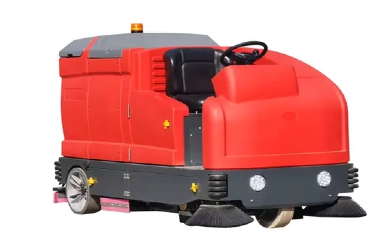
Proper maintenance ensures your floor tile scrubber stays efficient and lasts longer. Here are some key tips:
Clean the brushes after each use to remove dirt and debris. If the brushes are removable, wash them with warm water and mild soap. Check for wear and replace them if necessary to maintain cleaning efficiency.
Avoid overcharging: Unplug the scrubber once the battery is fully charged to prevent overheating and damage.
Charge before depletion: Charge the battery when it reaches 20-30% for better longevity.
Use the right charger: Always use the manufacturer’s charger or a compatible one to prevent battery issues.
Store in a dry, cool place: Avoid damp or hot environments that could damage the battery or components.
Remove the battery: If not in use for a while, remove the battery to avoid degradation.
Keep it upright and covered: Store the scrubber in an upright position and use a dust cover to keep it clean and protected.
Regular cleaning is essential, especially after each use. Make sure to clean brushes, mop pads, and the water tank to ensure optimal performance.
Yes, many tile scrubbers can be used on other surfaces like vinyl, laminate, and hardwood. Check the manufacturer’s recommendations for surface compatibility.
Most modern models are designed to operate quietly, but noise levels can vary. Look for models with low decibel ratings for quieter operation.
Store your scrubber in a cool, dry place, ensuring that it’s not exposed to moisture or extreme temperatures. Remove the battery if you don’t plan to use it for an extended period.
When choosing the best floor tile scrubber for home use, it's important to consider factors such as the type of tiles in your home, the scrubber's size and weight for easy maneuverability, battery life for uninterrupted cleaning, and the suitability of the brush types for your surfaces. Additionally, assessing customer reviews can give you valuable insights into real-world performance and durability. For homes with smaller spaces or light cleaning needs, a compact and lightweight model with a microfiber roller or soft mop pads may be ideal. For larger homes or areas with tougher stains, a scrubber with more powerful brushes and a longer battery life will be more effective. Ultimately, selecting the right model depends on your specific cleaning requirements, but by prioritizing these factors, you can ensure a more efficient, hassle-free cleaning experience for your tile floors.


