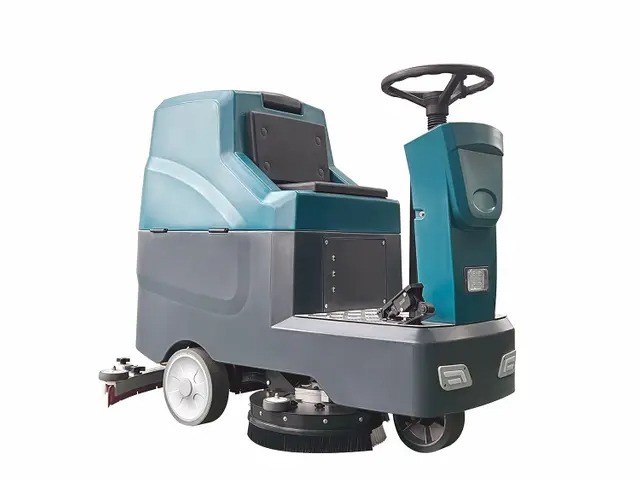
When investing in a floor scrubber, most people consider the cleaning efficiency, ease of use, and long-term value of the machine. However, one of the most overlooked factors is maintenance. Just like any other industrial or commercial equipment, floor scrubbers demand consistent care to deliver peak performance, extend service life, and reduce repair costs. Neglecting even simple maintenance tasks can result in decreased cleaning power, battery or motor failure, and costly downtime for businesses.
Understanding the Importance of Floor Scrubber Maintenance
A floor scrubber is designed to handle heavy workloads, removing dirt, grease, and debris from commercial and industrial flooring. Over time, components such as brushes, squeegees, tanks, and batteries experience wear and tear. Regular maintenance ensures these parts remain in top condition, which in turn guarantees consistent cleaning results.
Failure to maintain the equipment often leads to problems such as reduced suction, streaked floors, or even complete mechanical breakdown. In high-traffic facilities—like hospitals, warehouses, and shopping centers—such issues can disrupt operations and increase labor costs. Therefore, developing a structured maintenance routine is not merely an option but a necessity.
Moreover, many manufacturers recommend scheduled maintenance to uphold warranties. Ignoring these guidelines could void coverage, leaving the owner responsible for repairs or replacements. Ultimately, the cost of preventive maintenance is significantly lower than the cost of major repairs.
Daily Maintenance Tasks for Floor Scrubbers
Daily upkeep is the foundation of floor scrubber maintenance. After each use, operators should follow a systematic routine to prevent dirt buildup and avoid unnecessary wear. The following are essential daily practices:
Empty and Rinse Solution and Recovery Tanks Residual water, detergent, and debris left in the tanks can lead to bacterial growth and unpleasant odors. Rinsing these tanks thoroughly after each cleaning cycle ensures hygiene and prevents clogs.
Inspect and Clean Squeegee Blades Squeegees are responsible for leaving floors dry and streak-free. Worn or dirty blades can result in water lines, which compromise the scrubber’s efficiency. Cleaning and checking for damage daily will extend their usability.
Check Brushes or Pads Brushes and pads accumulate dirt, grease, and floor finish during operation. Rinsing them after each use prevents deterioration and ensures consistent scrubbing performance.
Wipe Down the Machine Dust, spills, or chemical splashes can accumulate on the scrubber’s body. Wiping it down preserves the appearance of the machine and prevents premature corrosion.
Battery Charging (for battery-operated models) Proper charging techniques are essential. Batteries should be fully recharged after each shift, but overcharging must be avoided to preserve battery life.
Daily attention may seem simple, but it dramatically reduces the risk of malfunctions and ensures the scrubber is ready for the next cleaning session.
Weekly and Monthly Maintenance Requirements
Beyond daily tasks, weekly and monthly maintenance plays a critical role in keeping a floor scrubber in top shape. These tasks are slightly more technical and require careful inspection:
Check Battery Water Levels For lead-acid batteries, maintaining proper water levels prevents damage to battery plates. Distilled water should be added if levels are low, and the battery compartment should be kept clean and ventilated.
Inspect Filters and Hoses Filters and hoses may accumulate debris, which can restrict water flow and reduce suction power. Regular cleaning prevents clogs and ensures consistent water recovery.
Examine Electrical Connections Loose or corroded connections can interfere with machine operation. Inspecting cables, plugs, and terminals prevents unexpected electrical issues.
Grease and Lubricate Moving Parts Bearings, wheels, and other moving components require occasional lubrication to minimize friction and extend their operational lifespan.
Check Tire and Caster Condition Worn wheels affect maneuverability and can damage delicate flooring. Replacing damaged casters ensures smooth movement and operator safety.
By combining weekly and monthly inspections with daily care, operators create a layered approach to preventive maintenance. This approach minimizes downtime and boosts long-term machine efficiency.
Long-Term Maintenance and Component Replacement
While daily and weekly maintenance keeps a scrubber running smoothly, certain parts naturally wear out and require scheduled replacement. Understanding the replacement timeline helps operators avoid unexpected breakdowns:
Brushes and Pads: Depending on usage, brushes may last several months, while pads need more frequent replacement. Monitoring their condition ensures effective scrubbing.
Squeegee Blades: These are usually replaced every 3–6 months, depending on surface type and frequency of use.
Batteries: With proper care, batteries may last up to three years. Improper charging, however, can shorten their lifespan dramatically.
Vacuum Motors and Pumps: These components may require servicing or replacement every few years, particularly in high-usage environments.
A planned replacement schedule prevents emergencies and allows businesses to budget effectively for maintenance costs.
To make routine care easier, the following table provides a practical floor scrubber maintenance checklist:
Frequency
Maintenance Task
Purpose
Daily
Empty and rinse solution/recovery tanks
Prevent bacteria and odor buildup
Daily
Clean squeegee blades and inspect for wear
Ensure streak-free drying
Daily
Rinse brushes or pads
Maintain scrubbing performance
Daily
Wipe machine body
Prevent corrosion and chemical buildup
Daily
Recharge battery
Ensure readiness for next use
Weekly
Check battery water levels
Extend battery lifespan
Weekly
Inspect filters and hoses
Prevent clogs and suction loss
Weekly
Examine electrical connections
Avoid unexpected malfunctions
Monthly
Lubricate moving parts
Reduce friction and wear
Monthly
Inspect tires and casters
Maintain maneuverability and safety
Long-term
Replace brushes/pads, squeegees, and batteries
Ensure continued high performance
Frequently Asked Questions (FAQ)
1. How often should I replace floor scrubber brushes? Brushes typically last between 200–400 hours of use, depending on the type of flooring and frequency of cleaning. Inspecting them regularly will help determine the right replacement time.
2. What type of detergent should I use in a floor scrubber? Always use a cleaning solution recommended for scrubber use. Harsh chemicals or non-approved solutions may damage the tanks, pumps, or seals.
3. How long do floor scrubber batteries last? With proper charging habits, most batteries last 2–3 years. Overcharging or undercharging can shorten their lifespan significantly.
4. Can I perform all maintenance tasks myself? Basic tasks such as rinsing tanks and cleaning squeegees can be performed by operators. However, complex maintenance—like electrical inspections or motor replacements—should be carried out by trained technicians.
5. What happens if I skip maintenance? Skipping maintenance may lead to streaked floors, weak suction, battery failure, or even machine breakdown. This results in higher repair costs and unexpected downtime.
Conclusion
A floor scrubber is a valuable investment that delivers efficiency and productivity in commercial cleaning. However, to maximize its performance and longevity, a structured maintenance program is essential. From daily cleaning of tanks and squeegees to scheduled replacement of components like brushes, batteries, and wheels, each step contributes to the machine’s reliability.

 English
 العربية
 Français
 Русский
 Español
 Português
 Deutsch
 italiano
 日本語
日本語 한국어
한국어 Nederlands
 Tiếng Việt
 ไทย
ไทย Polski
 Türkçe
 ភាសាខ្មែរ
 Bahasa Melayu
 Filipino
 Bahasa Indonesia
 magyar
 Română
 Čeština
 Монгол
 Српски
 हिन्दी
 Slovenčina
 Slovenščina
 Norsk
Norsk Svenska
 українська
 Suomi
Suomi Հայերեն
 Dansk
Dansk اردو
اردو Shqip
Shqip বাংলা
বাংলা Afrikaans
 Oʻzbekcha
 latviešu
 Azərbaycan dili
 Беларуская мова
 Български
 ქართული
 Kinyarwanda
 Кыргызча
 Oluganda
 Македонски
 Malti
Malti Türkmençe
 ئۇيغۇرچە
 Cymraeg