The world of cleaning has seen significant advancements over the years, and one of the most notable developments is the introduction of unmanned floor scrubbers. These autonomous machines have gained significant attention due to their ability to clean large areas efficiently without the need for a human operator. But how do unmanned floor scrubbers compare to traditional cleaning methods in terms of cost-effectiveness? This article will explore the benefits and potential savings associated with unmanned floor scrubbers, compare them with conventional cleaning methods, and help you make an informed decision about which option is more cost-efficient for your business.
As businesses strive for greater operational efficiency and reduced costs, automation has become a key solution in many industries. The cleaning industry, in particular, has benefited from this trend. Unmanned floor scrubbers are part of a broader movement towards autonomous technology, where machines perform tasks that were traditionally handled by human workers. This shift promises to lower labor costs, improve cleaning consistency, and reduce the overall time spent on maintenance tasks. In this article, we will delve into the comparison between unmanned floor scrubbers and traditional cleaning methods, examining aspects such as labor costs, maintenance, and cleaning efficiency.
Unmanned Floor Scrubbers: The Key Benefits
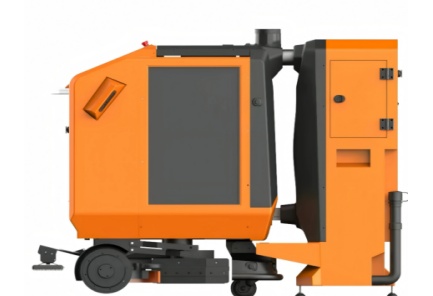
Unmanned floor scrubbers, as the name suggests, are automated machines that can clean floors without the need for direct human intervention. These machines use advanced sensors, mapping technology, and artificial intelligence to navigate and clean large floor spaces. Here are some of the key benefits of using unmanned floor scrubbers:
1. Labor Savings
One of the most significant advantages of unmanned floor scrubbers is their ability to reduce labor costs. Traditional floor cleaning methods, especially in large facilities or public spaces, often require multiple workers to perform the cleaning tasks. These workers must be trained, monitored, and scheduled, which adds to the overall operational cost. In contrast, unmanned floor scrubbers operate autonomously, reducing the need for human labor during the cleaning process.
With a fully automated system, businesses can allocate their human resources to more strategic tasks while the unmanned floor scrubbers handle the routine cleaning. This not only saves on direct labor costs but also reduces the overhead costs related to staffing, training, and employee turnover.
2. Increased Cleaning Efficiency
Unmanned floor scrubbers are designed to work tirelessly and consistently. These machines can operate 24/7, without the need for breaks or rest, ensuring that cleaning tasks are completed faster and more efficiently than traditional methods. They are equipped with sensors that help them avoid obstacles and navigate around corners, which minimizes the risk of missing spots or causing accidents. This level of efficiency ensures that the space is consistently maintained, offering a cleaner environment for employees, customers, or residents.
Additionally, unmanned floor scrubbers use advanced algorithms to optimize their cleaning routes. This means that they can clean larger areas in a shorter amount of time compared to manual cleaning, where workers may take longer to cover the same area.
3. Consistency and Quality of Cleaning
Another advantage of unmanned floor scrubbers is their ability to maintain a consistent level of cleaning quality. Unlike human workers, who may experience fatigue and variability in their cleaning efforts, unmanned scrubbers operate with a high degree of precision and uniformity. This leads to a more consistent level of cleanliness across the entire facility, ensuring that floors are cleaned thoroughly and without inconsistencies.
4. Lower Long-Term Operational Costs
While the initial investment in unmanned floor scrubbers may be higher than traditional cleaning equipment, they can lead to lower operational costs over time. These machines are designed to be energy-efficient and require minimal maintenance, reducing both energy consumption and repair expenses. Furthermore, with fewer human workers required, businesses can reduce the costs associated with wages, insurance, and benefits.
5. Improved Safety
Safety is a critical concern in many workplaces, and unmanned floor scrubbers can contribute to a safer environment. By automating the cleaning process, businesses reduce the likelihood of accidents related to cleaning equipment or workers slipping and falling. Additionally, many unmanned floor scrubbers are equipped with safety features such as sensors that detect obstacles, preventing collisions and ensuring smooth navigation.
Traditional Cleaning Methods: The Conventional Approach
While unmanned floor scrubbers are becoming more popular, traditional cleaning methods still have a significant presence in many businesses and facilities. These methods typically involve manual labor, where human workers operate floor scrubbers, mops, or other cleaning tools to maintain cleanliness. Let’s examine the costs and challenges associated with traditional cleaning methods:
1. Labor Costs
One of the most significant expenses associated with traditional cleaning methods is labor. Employing a cleaning crew involves more than just wages. There are additional costs such as insurance, employee benefits, training, and ongoing management. Depending on the size and complexity of the area to be cleaned, multiple workers may be needed to handle different tasks, further driving up costs. For larger facilities, this can mean several employees working in shifts to ensure coverage during peak hours, which increases the total labor expense. Additionally, labor costs often rise if extra workers are required for tasks during night shifts or extended working hours. The reliance on human labor can also lead to higher turnover rates, which results in added costs for recruitment, training, and onboarding new staff.
2. Time-Consuming
Traditional cleaning methods are inherently more time-consuming than automated solutions like unmanned floor scrubbers. Human workers need to follow specific cleaning routines, which can be inefficient, especially in larger spaces. Cleaning large areas manually may take much longer due to the need for breaks, shift changes, and manual adjustments based on the worker's stamina and skill. As a result, facilities often require more frequent cleaning shifts, increasing the total time spent on cleaning tasks. On the other hand, unmanned floor scrubbers can work continuously, without the need for breaks, ensuring that large spaces are cleaned in a shorter amount of time. This time-saving aspect significantly improves the overall productivity of the facility, as it reduces the amount of downtime required for cleaning.
3. Inconsistent Results
Manual cleaning methods are subject to human error and fatigue. Over time, workers may miss spots, and their efficiency may decline, leading to uneven cleaning results. While traditional methods can be effective, achieving consistent results requires regular supervision and quality control, adding extra management costs.
4. Maintenance and Equipment Costs
Traditional cleaning equipment, such as scrubbers and mops, requires regular maintenance and repairs. The lifespan of manual cleaning tools can also be shorter, leading to additional replacement costs. Moreover, large cleaning teams may require more equipment, which increases the cost of purchasing and maintaining these tools.
Unmanned Floor Scrubbers vs. Traditional Cleaning Methods: A Cost Comparison
When it comes to cost-effectiveness, unmanned floor scrubbers tend to offer significant advantages over traditional cleaning methods in the long run. Below is a table comparing the costs associated with unmanned floor scrubbers and traditional cleaning methods:
Cost Factor | Unmanned Floor Scrubbers | Traditional Cleaning Methods |
Initial Investment | Higher upfront cost for equipment | Lower upfront cost for cleaning tools and equipment |
Labor Costs | Significantly reduced, as no operators are needed | High due to ongoing employee wages and benefits |
Operational Efficiency | High efficiency, capable of working 24/7 | Lower efficiency, as workers require breaks and shifts |
Maintenance Costs | Minimal maintenance costs, fewer repairs | Higher maintenance and replacement costs for equipment |
Cleaning Quality | Consistent, uniform cleaning | Subject to human error, inconsistent results |
Safety | Reduces risk of accidents | Higher risk of accidents and injuries due to manual labor |
Conclusion
Unmanned floor scrubbers represent a significant advancement in cleaning technology, offering numerous cost-saving benefits in terms of labor, time, and operational efficiency. Although they require a higher initial investment, the long-term savings in labor and maintenance costs can make unmanned floor scrubbers a more cost-effective choice compared to traditional cleaning methods. For businesses looking to improve their cleaning operations while reducing costs, unmanned floor scrubbers are an excellent solution.
At Zhejiang Changxing Shengli Intelligent Machinery Co., Ltd., we specialize in providing top-of-the-line unmanned floor scrubbers that can transform your cleaning processes. Our products are designed to improve efficiency, reduce costs, and enhance the overall cleanliness of your facility.
FAQ
1. Are unmanned floor scrubbers suitable for large spaces?
Yes, unmanned floor scrubbers are highly efficient for cleaning large areas and can operate continuously without breaks, making them ideal for large facilities.
2. How much do unmanned floor scrubbers cost?
The initial cost of unmanned floor scrubbers can vary, but they often lead to long-term savings in labor and maintenance costs.
3. Can unmanned floor scrubbers work on all types of floors?
Most unmanned floor scrubbers are designed to work on a variety of floor types, including tile, concrete, and hardwood.
4. What are the key advantages of unmanned floor scrubbers over traditional cleaning methods?
Unmanned floor scrubbers offer greater efficiency, reduced labor costs, consistent cleaning results, and lower long-term operational expenses.
Page Title: Unmanned Floor Scrubbers vs. Traditional Cleaning Methods: Which is More Cost-Effective?
Meta Description: Discover how unmanned floor scrubbers compare with traditional cleaning methods in terms of cost-effectiveness. Save on labor and operational costs while ensuring a cleaner environment.

 English
 العربية
 Français
 Русский
 Español
 Português
 Deutsch
 italiano
 日本語
日本語 한국어
한국어 Nederlands
 Tiếng Việt
 ไทย
ไทย Polski
 Türkçe
 ភាសាខ្មែរ
 Bahasa Melayu
 Filipino
 Bahasa Indonesia
 magyar
 Română
 Čeština
 Монгол
 Српски
 हिन्दी
 Slovenčina
 Slovenščina
 Norsk
Norsk Svenska
 українська
 Suomi
Suomi Հայերեն
 Dansk
Dansk اردو
اردو Shqip
Shqip বাংলা
বাংলা Afrikaans
 Oʻzbekcha
 latviešu
 Azərbaycan dili
 Беларуская мова
 Български
 ქართული
 Kinyarwanda
 Кыргызча
 Oluganda
 Македонски
 Malti
Malti Türkmençe
 ئۇيغۇرچە
 Cymraeg


